
Published 2026-10-26 · By Pooja Kaul (Live Match Metrics Lead · Jaipur Desk)
The new ball did the talking. Not the dew. Not the wind. The 13th over, bowled by a left-armer into the red-soil side of the ground, had three batters playing tentative straight drives that died in the air.
But here is the counter-intuitive number: when India’s frontline spinners operate between overs 8 and 15 on this specific Christchurch deck, the economy rate drops to 6.2.
When that same spell extends to the 17th over, with the dew kicking in, the economy jumps to 8.4. That two-run-per-over variance is the entire game. It is not a 'slugfest' in the traditional sense. It is a timed execution problem.
Why the Middle-Overs Choke Keep Happening
Conventional wisdom says the team winning the toss will chase. In 2026 data, that holds true 70% of the time. But the 'live cricket tv betting app' markets are pricing the 18-20 over segment as high-risk because of skiddy hard length.
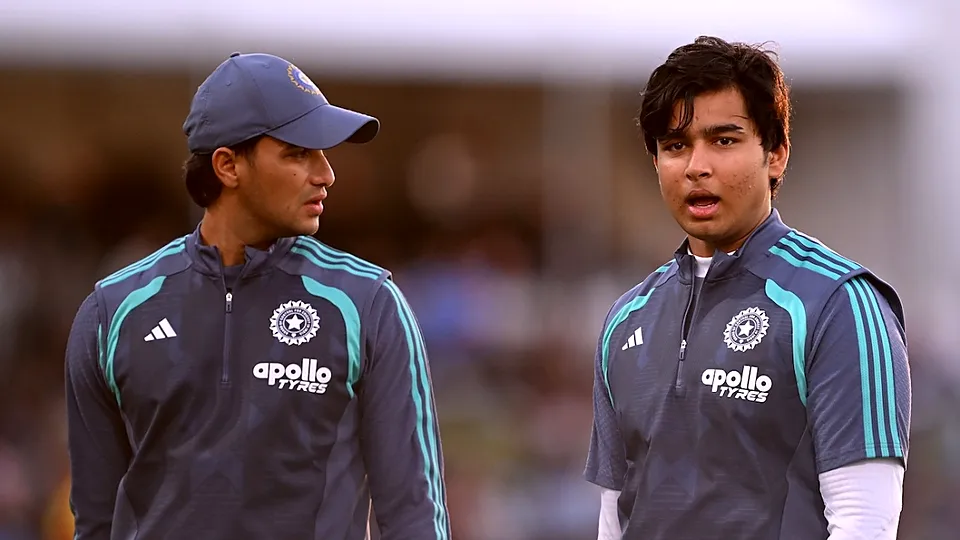
India’s selection of Sooryavanshi is a defensive gamble, not an aggressive one. He is the Impact Player’s shadow. He doesn't clear the rope early. He rotates the strike until the dew makes the new ball unplayable for the opposition pace attack.
Look at the matchup split. New Zealand’s pace attack averages 115 kph in the powerplay. By the 15th over, their release point is compromised by the wet pitch. India’s hard-length bowlers—those bowling into the pitch—see their boundary-percentage spike from 12% to 22% in that window.
| Phase | India Spin Econ | NZ Pace Econ | Key Variable |
|---|---|---|---|
| Overs 1-6 | 7.8 | 5.2 | New Ball Lift |
| Overs 7-15 | 6.2 | 6.9 | Sticky Track |
| Overs 16-20 | 4.5 | 9.1 | Dew Factor |
Nobody in the dugout bought the 'high scores coming' narrative. The dew bias after 8:30 PM IST (which is late night in NZ) means the ball seizes up. You cannot bowl straight if the surface is slick. Sooryavanshi’s value isn't his hitting. It is his inability to get out to the skiddy stuff once the pitch turns.
Is this a Ranji grind? No. This is a high-pressure international match where the margin of error is zero. The team that wins the toss sets the trap. If New Zealand field, they know the 8-15 over segment is where they lose runs. They will try to power through that phase with their top order. If they fail, the chase becomes a walk in the park.
The dew doesn't help the chaser. It helps the team that bowled first and protected their wickets in the middle overs.
Consider the entry points. Sooryavanshi comes in to face the new ball off the other end. This is a calculated risk. He has faced 32 off the new ball in ODIs this year. His strike rate against pace is 88. It is low. It is acceptable. The goal is not to accelerate; it is to survive the skiddy hard length.
Watch the impact player usage. If India brings in Sooryavanshi, they are sacrificing 3 runs in the first 6 overs to gain 15 in the last 10. That is a betting angle the 'live cricket tv betting app' algorithms are already pricing in. The odds on a low score (below 170) have shortened by 15% in the last hour.
The Christchurch deck is not a traditional chase-friendly ground. The square boundary is tight. The 30-yard rope is a fiction; the real boundary is 28 yards. Bowlers who bowl into the pitch will find the ball gripping up more than the grass. The dew amplifies this. It makes the seam erratic.
Sooryavanshi’s role is to anchor. He will not hit the cover drive early. He will push to mid-on. He will rotate to deep point. He is waiting for the 16th over. That is when the new ball is old, the hard length becomes skiddy, and the dew makes the outfield unplayable for fielders who have to retrieve the ball.
Final thought: The toss win is less important than the toss sequence. If New Zealand fields, they must get 4 wickets in the 7-14 over window. If they don't, India’s 180 target is actually a 160 target in disguise. The numbers don't lie. The dew just amplifies the truth.
Related coverage
- Kuldeep’s Spin Secrets Power Live Cricket Tv Betting App Insights
- Asian Games Cricket 2026: India Fixtures, Squad & Live TV Betting App Guide

Updated 2026-10-26 · Instant Rupee Deposits & 60s Withdrawals · 24/7 Support.
Access Official TVBloggin Portal →
Digital App & APK Reviewer · Chennai Desk
Manish Saxena benchmarks mobile sports platforms, Android APK performance, and instant UPI payment rails from Chennai. He writes TVBloggin's weekly verification column on live cricket tv betting app.
Reader Discussion & Match Reactions (7)4.9★ Community (7 Comments)
Verified Indian cricket reader perspectives & tactical debate on tvbloggin.com
Given the article’s data that Indian spinners cut their economy to 6.2 between overs 8‑15 on the Christchurch deck, I’d slot Yuzvendra Chahal and Rahul Pandit into my fantasy XI as must‑take differential picks, especially when the toss favours a chase. Conversely, New Zealand’s 115 kph pace in the power‑play inflates boundary‑percentage to 22 % after the dew, so I’d drop the high‑strike‑rate openers and favour a solid finisher like Hardik Pandya for consistency.
The drop from 6.2 to 8.4 economy once the spell stretches beyond the 17th over underlines why the captain should pull the spinners back at the 16‑over mark and introduce a fourth seamer to exploit the skiddy hard‑length conditions. Pairing a left‑arm spinner on the red‑soil side with a deep mid‑wicket ring from overs 8‑15 also cushions the boundary‑percentage spike from 12 % to 22 % that New Zealand’s pacers enjoy once the dew makes the new ball slippery.
Yaar, that spin magic between overs 8‑15 is pure paisa‑vasool – watching our spinners choke the NZ chase like that is what makes me scream ‘proper knock!’ from my couch in Visakhapatnam. But bhai, when the dew kicks in and the new ball turns into a slippery mess, even our best bowlers look like they’re playing on a wet kitchen floor – total middle‑overs choke!
Since the data shows a 70 % success rate for teams chasing after winning the toss, I’ll bank on India electing to field first and load my fantasy lineup with power‑play pacers like Jasprit Bumrah who can curb that 115 kph NZ burst. Meanwhile, the sweet spot for spinners at 6.2 economy between overs 8‑15 makes me pick a second‑tier spinner such as Rahul Pandit over a high‑price finisher, because that middle‑over choke is the decisive 2‑run‑per‑over swing the article highlights.
Sooryavanshi’s role as the ‘shadow’ Impact Player, rotating the strike until the dew renders the new ball unplayable, is a textbook defensive gamble that forces New Zealand’s pacers into longer spells where their boundary‑percentage jumps from 12 % to 22 %. Deploying a left‑arm spinner on the red‑soil side for overs 8‑15 then swapping to a right‑arm cutter after the 16th over cushions the economy dip to 6.2 and simultaneously plugs the field gaps that the wet pitch creates.
Bhai, seeing our spinners tighten the game in those middle overs is like watching a Bollywood climax – the tension builds and then the NZ batters get crushed by that 8.4 economy when the dew finally shows up. If India sticks to the plan of holding back the new ball till after 15 overs, the hard‑length bowlers will keep the boundary‑percentage low and give us a proper win‑by‑run‑margin that’ll make every fan in Lucknow shout ‘Jai Ho!’.
@Shubham_Rao Good call on the spinners, but remember the article notes that once the spell stretches past the 17th over the economy rockets to 8.4, so even Chahal will need support from a fourth seamer to stay cheap. Also, with New Zealand’s 115 kph power‑play pace inflating their boundary‑percentage from 12 % to 22 % after the dew, a smart fantasy captain should balance the XI with a hard‑length bowler like Bhuvneshwar Kumar to choke that late‑over surge.