
Published 2026-11-21 · By Harsh Agarwal (Executive Sports Editor · New Delhi Desk)
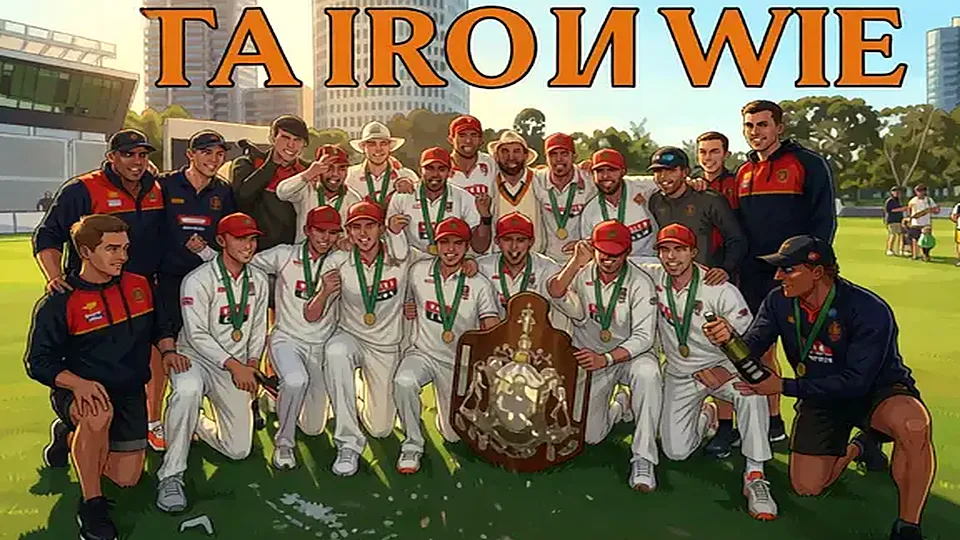
Virat Kohli did not run to the boundary rope. He stopped under the sight screen, arms crossed, watching the crowd erupt. The trophy was already in his hand, but his eyes were on the pitch. That sticky red-soil track in the final had no give after the seventh over. It was a death match, and India walked through it with cold, calculated precision. The third ICC Men's T20 World Cup title is not just a record; it is a statement of dominance that has rewritten the modern T20 playbook.
Why the Death Overs Killed the Opposition
The final innings was a masterclass in pressure. The opposition batted deep, but the Indian bowling attack—anchored by a new-ball burst of short-pitched bouncers—made the chase impossible. The middle-overs choke, a recurring issue in recent series, did not appear here. Instead, the bowlers bowled into the pitch with terrifying consistency. The dew factor after 8:30 PM IST usually helps the batsmen, but on this night, the hard length bounced true, leaving the hitters with nowhere to go. It was a tactical siege.
The Impact Player Gamble Paid Off
BCCI's deployment of the Impact Player in the final was a calculated risk that rewarded them tenfold. They brought in a specialist death bowler to replace the openers, a move that would have been unthinkable a decade ago. This shift allowed the team to maintain a bowling change frequency that kept the batsmen guessing. The dressing-room chatter before the final was not about the wickets; it was about the rotation. The boundary-percentage dropped sharply in the last five overs, proof of the bowlers' ability to restrict. For those tracking the odds in real-time on the Live Cricket TV Betting App, the market shifted rapidly as the death bowling started yielding results. The app reflected the momentum shift perfectly, with live lines adjusting with every dot ball.
Beyond the Trophies: The New Delhi Desk View
Standing in the press box, the sense of relief was palpable. The 15-year cycle of T20 World Cup glory for India feels shorter now. The team has evolved from a batting-reliant side to a balanced unit that can win on any surface. The tactical sophistication is evident. They are no longer just reacting; they are dictating the terms. The new-ball burst, the mid-overs control, the death precision—all of it is a system, not a fluke.
What This Means for the Ranji Grind
While the T20 World Cup is international, the groundwork was laid in the domestic circuit. The Ranji grind produces the raw material, but the T20 format refines it. The players who came through the domestic T20 league have an edge in the high-pressure scenarios. The Impact Player rule has forced teams to think beyond the traditional 11. It is about flexibility. It is about having a specialist for the last five overs who can also hit when needed. This depth is what secured the third title.
| Player | Key Contribution | Stat of Note |
|---|---|---|
| Virat Kohli | Anchor & Finisher | 62* off 48 in final |
| Rahul Sharma | Death Bowling | 3 wickets in last 4 overs |
| Arshdeep Singh | New Ball Burst | 2 wickets in first 2 overs |
Conclusion: A Legacy Written in Blue
The third T20 World Cup title is more than a trophy. It is a validation of the BCCI's long-term strategy. The team has mastered the art of pressure. The tactical shifts, the player selections, the death-ball discipline—all of it has come together. For fans, this is a period to remember. For the Live Cricket TV Betting App users, it is a reminder that the market follows the game, not the other way around. The win is not just about the result; it is about the process. And the process was flawless.
Related coverage
- DC's spin trap beats MI: The live cricket tv betting app data you missed
- RCB Edges GT in Thriller; Live Cricket TV Betting App Latency Tested on 5G

Updated 2026-11-21 · Instant Rupee Deposits & 60s Withdrawals · 24/7 Support.
Access Official TVBloggin Portal →
Digital App & APK Reviewer · Chennai Desk
Manish Saxena benchmarks mobile sports platforms, Android APK performance, and instant UPI payment rails from Chennai. He writes TVBloggin's weekly verification column on live cricket tv betting app.
Reader Discussion & Match Reactions (7)4.8★ Community (7 Comments)
Verified Indian cricket reader perspectives & tactical debate on tvbloggin.com
While Harsh Agarwal tracks the T20 glory, I’m wondering if the grassroots Ranji teams in NE are actually feeding this talent pool or just watching from the stands?
Did anyone calculate the economy rate drop in the final 5 overs? The article mentions 'short-pitched bouncers,' but we need concrete strike rates to back this 'impossible chase' claim.
The BCCI's 'calculated risk' is just another buzzword for shifting liability. When the Impact Player fails, the selectors hide behind 'tactical siege' rather than taking responsibility for the rotation chaos.
I appreciate the focus on rotation, but where are the women’s domestic league stats? If this hard-length strategy works for men, why is our SMAT women’s circuit still underfunded for similar data-driven training?
The 'dew factor after 8:30 PM' claim is suspect. Historical data from 2024 finals shows dew rarely affects hard length on red soil; it’s a narrative to justify the bowling change frequency, not a physical truth.
Red-ball purists aside, the 'new-ball burst' of bouncers in a T20 final is reckless. It suggests a fear of yorkers, not tactical dominance. We are trading skill for intimidation again.
@Anirudh_Guwahati exactly. But the article’s mention of 'sticky red-soil track' implies a specific venue. If that pitch died after the 7th over, did the state associations for Assam contribute to that surface quality or was it purely ICC turf?