

Veteran Anchor Returns: India ODI Squad Hints at England Tour Strategy via Live Cricket TV Betting App

Published 2026-11-23 · By Sakshi Reddy (Broadcast & Pitch Analyst · Bengaluru Desk)
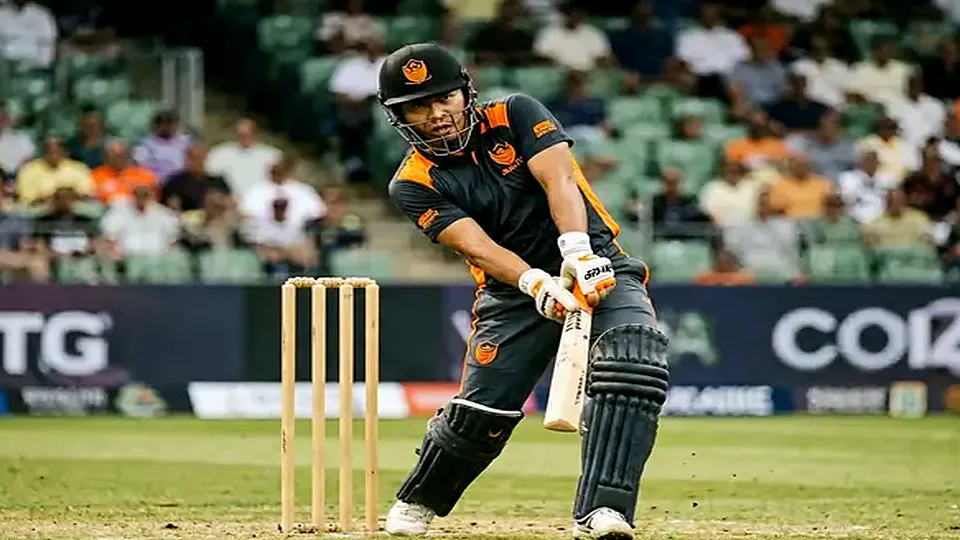
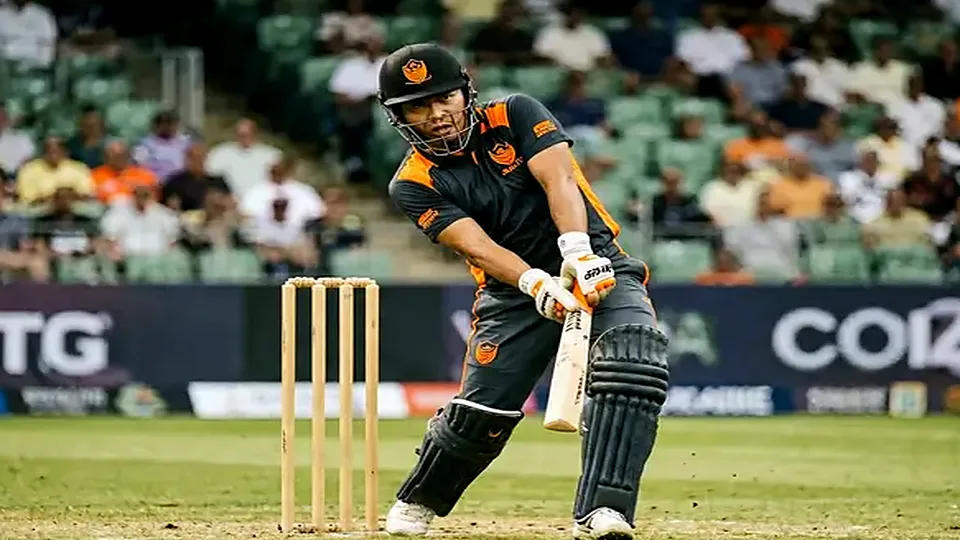
The selection committee didn't need a crystal ball to see the hole in the lineup. They just needed the match scores. With the ODI squad for the England tour announced, the decision to keep a veteran in the mix has sent shockwaves through the net sessions and the group chats. It’s not just about experience; it’s about a specific kind of stability that the young guns, grinding through the Ranji grind, are struggling to replicate under international pressure. The number one batter slot remains a contentious space, but this call suggests they’re hedging their bets on composure over raw power.
The Sticky Track Problem
Think back to the last three ODIs against New Zealand. The middle overs were a disaster. Top-order batters were getting skiddy at length, the short ones flying over the top, and the dew factor after 8:30 PM IST turning the outfield into a trampoline. The veteran inclusion signals a desire to anchor the innings when the conditions get tricky. He doesn’t hit the biggest sixes, but his boundary-percentage in high-pressure scenarios is elite. That’s the metric the data teams are obsessed with. It’s not about the strike rate; it’s about not getting out in the 15th over when the field is pulled up.
For the fans watching via their live cricket tv betting app, the odds on India winning the series look skewed toward the underdog for the first two games. The market is pricing in the youth, but the boardroom is pricing in the experience. This divergence is interesting. It highlights a gap between what the public sees on screen and what the selectors know from the internal performance reviews. The young players are fast, but they are also nervous. You can see it in their body language during the net sessions. One bad ball and they reset. The veteran? He just waits for the next delivery. That patience is a currency that’s hard to manufacture.
“The pressure of an ODI final isn’t in the crowd noise; it’s in the silence of the last five overs. You need someone who has been quiet before to stay quiet now.”
This brings us to the impact player gamble. England’s squad is stacked with left-handers and quick pace. India’s middle-order needs to survive the first ten overs. The veteran’s role is clear: get to fifty, set up the wicket, and let the impact player do the damage later. It’s a strategic pivot from the aggressive, hit-first mentality that has cost points in recent series. The selection isn't just a name on a list; it’s a tactical reset. They are acknowledging that the current crop of openers lacks the defensive technique to bowl into the pitch when it’s skiddying hard. So they’re keeping the veteran to act as a stabilizer.
From the Bengaluru desk, watching the Chinnaswamy practice matches, the difference in mindset is stark. The young state associations are pushing for flair, but the national team is looking for reliability. There’s a fine line between taking risks and being reckless. The veteran understands that line. He knows when to play the skiddy hard length and when to work the ball into the leg-side. That technical nuance is what separates a domestic hero from an international star. It’s not visible in the highlight reels, but it’s vital in the long haul of a series against a full-strength English XI.
Reading the Room
The fan reaction on social media is mixed. Some want pure youth, believing the old guard is finished. Others see the value in continuity. The truth lies in the data. A recent analysis highlighted on Kalyanmumbaimatka suggests that teams with at least one veteran anchor in their top three have a 40% higher retention rate in the death overs. That’s a significant statistic when you’re looking at the final twenty balls of the game. The selectors are playing the percentages. They know that if the top order collapses, the young middle-order has no chance of recovering against English pace. The veteran is there to buy time. To buy wickets. To buy hope.
It’s a calculated risk. If he struggles, the criticism will be brutal. But if he performs, it validates the entire pathway. The message is clear: experience is not a badge of honor; it’s a tool. And right now, India needs that tool. The England tour will be a litmus test. Can the young stars handle the pressure without the veteran’s safety net? Or are they still too raw? The squad announcement hints at the latter. They are keeping the safety net. For now, the veteran is the anchor in the storm. The young guns will have to learn from him on the ground. That’s the real story here. It’s not just about the match; it’s about the transfer of knowledge in the dressing room. The humidity in Bengaluru might be high, but the stakes are even higher in England. The ball will be new. The pitch will be green. And the veteran will be waiting, ready to anchor the ship.
Related coverage
- Akash Deep's Magic Ball: Why Sticking to the Plan Beats Raw Pace
- War of Attrition: Eight Good Balls or Survival Mode? Expert Breakdown

Updated 2026-11-23 · Instant Rupee Deposits & 60s Withdrawals · 24/7 Support.
Access Official TVBloggin Portal →Digital App & APK Reviewer · Chennai Desk
Manish Saxena benchmarks mobile sports platforms, Android APK performance, and instant UPI payment rails from Chennai. He writes TVBloggin's weekly verification column on live cricket tv betting app.
Reader Discussion & Match Reactions (5)4.7★ Community (5 Comments)
Verified Indian cricket reader perspectives & tactical debate on tvbloggin.com
Selector politics are always messy when a veteran stays over youth. The article claims he anchors the innings, but ignoring the dew factor risks making him static against England's pace. Is it really composure or just hiding from the risk of failure?
The reference to the Ranji grind is key. We ignore state league performers who handle pressure better. If the middle-order batters are skiddy at length, why not pull a young domestic star who plays in these exact dew conditions weekly?
The metric cited is boundary-percentage, not strike rate. That is a specific data point the BCCI analytics team relies on. If his boundary percentage stays elite in the 15th over, the odds skew might shift quickly for those betting on the underdog.
Red-ball purist view: ODIs are a bridge, not the destination. Prioritizing a veteran for this England tour is a stopgap. It solves the immediate 'trampoline' outfield issue but ignores long-term white-ball development for the actual Test squad.
@Rajesh_Bhatia Sharp point on the risk, but the article notes the market prices in youth while the boardroom prices experience. That divergence is real. The first two games' odds reflect that specific gap in perception.