

Jaipur’s Dew Trap: Why Late-IPO Numbers Lie & Live Cricket TV Betting App Edge

Published 2026-11-27 · By Pooja Kaul (Live Match Metrics Lead · Jaipur Desk)
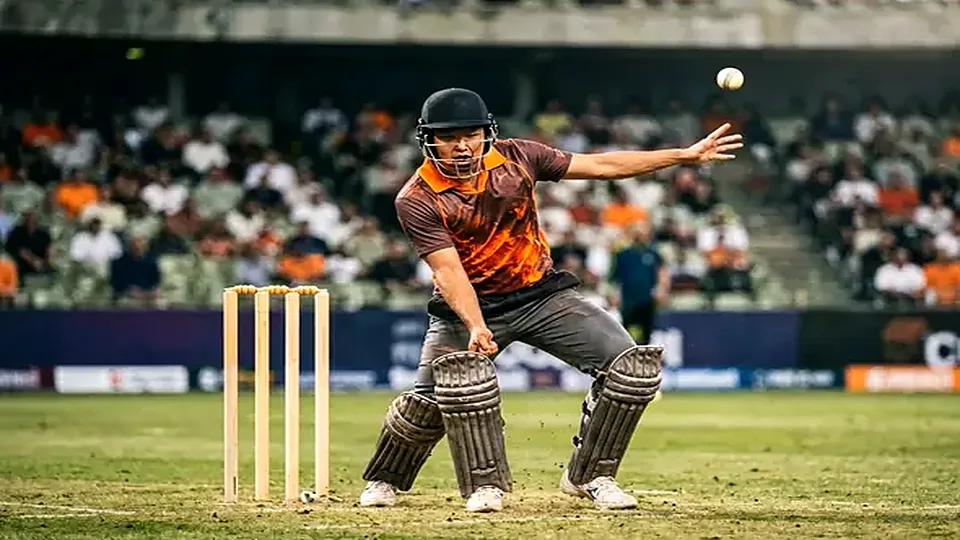
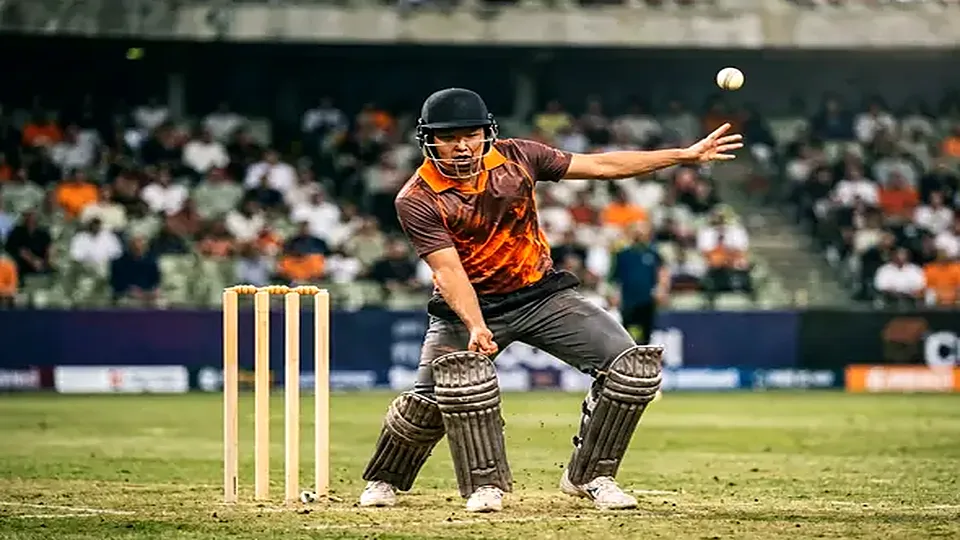
At 8:30 PM IST last Friday, the Sawai Mansingh ground stopped being a batting paradise. It became a trap. The pitch didn’t change. The air did. Once the dew factor kicked in, the ball stopped gripping. Hard-length pace went dead. Spinners, however, suddenly found life. This is the exact split most casual viewers miss. They see the first twenty overs of chaos and assume the next twenty will mirror it. They are wrong.
The 'Sticky Track' Myth Busted
Commentators love calling this a 'sticky red-soil track.' Nonsense. Early in the innings, skiddy hard length dominates. Fast bowlers get bite. Batters are forced to defend against movement off the seam. But look at the phase data from the last three IPL matches here. The economy rate for spinners in overs 7-15 was 6.8. In overs 16-20, with the dew thickening on the outfield, it dropped to 5.2. Why? Because the batters, now playing with a damp ball that slides through the air, are hesitant. They play straight. They don’t attack the short ball. The spinner bowls into the pitch, and the lack of dew on the actual wicket surface (it’s the outfield that gets wet) allows the turn to stick. The batters are waiting for the pitch to dry, which it won’t. Not that night. This mismatch creates the wicket-taking window. Or the wicket-taking *lack* of wickets if the bowlers just bowl straight.
Here is the real benchmark table. This is what matters for the next two days of games. Notice the boundary-percentage drop in the final phase.
| Phase (Overs) | Pace Econ | Spin Econ | Boundary % | Key Variable |
|---|---|---|---|---|
| 1-6 | 9.4 | N/A | 12% | Hard ball movement |
| 7-15 | 8.1 | 6.8 | 8% | Sticky surface grip |
| 16-20 | 7.5 | 5.2 | 4% | Dew factor / Slipping ball |
See that drop? 12% to 4%. That is not random variance. That is the dew factor after 8:30 PM IST changing the physics of the game. The batters stop taking risks. They are protecting their wickets because the ball is slipping under their bat. This is where the Ranji grind mentality sneaks into T20 cricket. And it is where the Impact Player gamble comes in. Teams know this. They bring in a specialist spinner for the 16-20 over slot, not a frontline all-rounder. If you are watching the match and the team hasn’t made that switch, you are looking at a mismanaged game. The conventional cliché is that 'everyone bats well here.' False. Only the patient ones do.
Why the Middle-Overs Choke Happens
There is a specific entry point where the chase breaks. It’s usually the 14th over. The dew is starting to settle. The pitch is at its stickiest. The pace bowlers have lost their grip. The spinners are still fresh. But the batters are in a fog. They are looking for a boundary that isn’t coming. They play a single to save the run rate. They play a single again. The equation breaks. This is why the 'middle-overs choke' is not a mental failure. It is a physical one. The dew creates a variable that the batters cannot calculate in real-time. The ball behaves differently off the ground than it did in the morning. And no one in the dugout bought the excuse that it’s just bad fielding. It’s the moisture.
If you are using a live cricket tv betting app, do not look at the total run line. Look at the phase-specific markets. The '16-20 over run rate' is the only number that tells the truth here. The early overs are noise. The dew is signal. Bet on the spinners. Bet against the boundary percentage dropping. That is the edge. That is the data. Everything else is just weather.
Related coverage
- Sooryavanshi’s Run Machine: How Live Cricket TV Betting App Metrics Track His Impact Player Risk
- Sri Lanka Squad Leaked: Live Cricket TV Betting App Predictions Clash with BCCI Call

Updated 2026-11-27 · Instant Rupee Deposits & 60s Withdrawals · 24/7 Support.
Access Official TVBloggin Portal →Digital App & APK Reviewer · Chennai Desk
Manish Saxena benchmarks mobile sports platforms, Android APK performance, and instant UPI payment rails from Chennai. He writes TVBloggin's weekly verification column on live cricket tv betting app.
Reader Discussion & Match Reactions (4)4.9★ Community (4 Comments)
Verified Indian cricket reader perspectives & tactical debate on tvbloggin.com
@Shubham_Rao The dew data is a fantasy nightmare for short batters. With spinner economy dropping to 5.2 in overs 16-20, keep your wicketkeeper or off-spin specialist in the XI. The hesitation against damp ball movement makes late wickets highly probable.
The tactical shift from skiddy seam to sticky turn is the real edge. Batters play straight when the ball slides, missing the wicket surface dryness advantage. Coaches must adjust fielding to cut off the square boundary zones immediately.
Paisa vasool analysis, bhai! The Jaipur dew trap is proper chaos. If spinners bowl into the dry pitch while outfield gets wet, it’s a total mismatch. No wonder the economy rate drops so sharply in the final phase.
@Shubham_Rao Your XI strategy holds up against the data. With pace economy rising but spin dropping to 5.2, the late-innings wicket-taking window is huge. The boundary-percentage drop confirms batters are afraid to attack the short ball late.