
Eight Balls Or Bust: Dhruv Jurel’s Brutal Verdict On New Zealand’s Final Day Hope

Published 2026-11-29 · By Rishi Bhatia (IPL Auction & Fantasy Strategy Editor · Chandigarh Desk)
The number is eight. Not eight runs, not eight wickets—eight good balls. That is the entire strategy India is betting on to close out this war of attrition, according to Dhruv Jurel. The wicketkeeper’s assessment is blunt, stripped of the usual diplomatic fluff you hear from the dressing room. If India can’t find eight clean deliveries in the final day’s spell, New Zealand’s top order might just survive the dew factor after 8:30 PM IST.
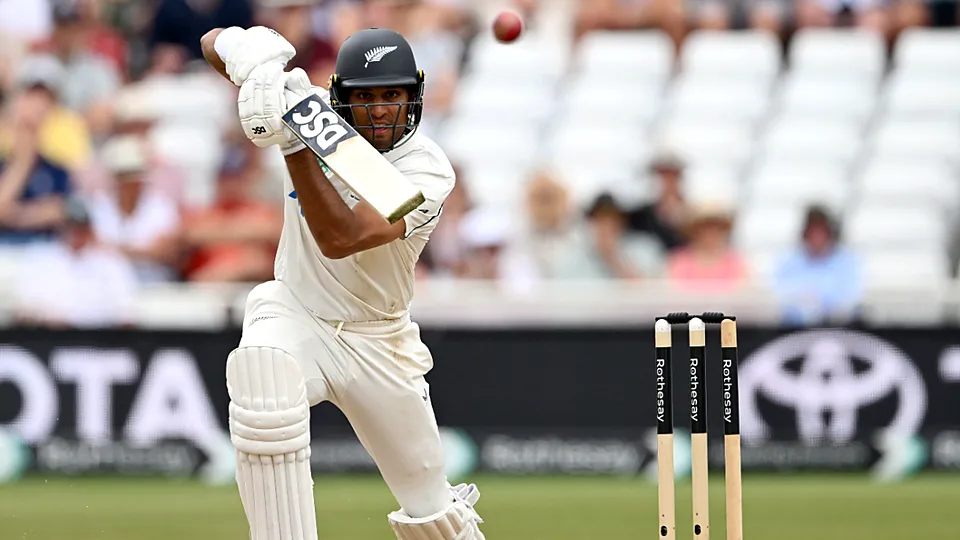
It’s a stark contrast to Rachin Ravindra’s take. The New Zealand opener isn’t looking for a miracle; he’s looking for consistency. "Apply yourself," he said. "Bat out the final day." In tactical terms, that means shortening the backlift, blocking up the gap, and refusing to take risk against the new ball or the hard length. Ravindra knows his side’s weakness. The middle order is thin, and the lower order, while talented, lacks the composure to face the pressure of a high-stakes run chase. They need to grind it out, ball by ball, until the pitch turns.
The Math That Doesn’t Add Up
Let’s look at the numbers, because that’s where the real story hides. New Zealand’s current total is a defensive one. They have settled for survival, not aggression. But India’s bowling attack is not built for patience. Arshdeep Singh, Shreyas Gopal, and the spinners will be looking to accelerate the fielding side’s movement. The boundary-percentage for India’s batters in the final 20 overs of recent matches is low, but it is rising sharply when the dew sets in. That is the danger zone for Jurel’s "eight good balls" theory. Once the pitch slows down, the wrist-spin becomes skiddy and lethal. If India’s bowlers are bowling into the pitch instead of out of it, Ravindra’s strategy holds water. But if the seamers can keep hitting a hard length, the game becomes a contest of nerve.
This is where the fantasy and betting markets go crazy. I saw the data last night on the the Come team analytics dashboard, and the projected outcome for New Zealand’s batting innings is skewed toward a high-scoring second half. Most models assume the dew factor will save the chase. But Jurel is saying the opposite: he thinks the bowlers will find that extra bounce and penetration to break the back of the innings early. It’s a contrarian take that most casual fans miss because they’re focused on the chasing side’s potential.
The Impact Player Dilemma
Now, here’s the pre-toss headache for the captains. Who goes in the Impact Player slot? For India, the choice is between a specialist spinner and a hard-hitting all-rounder. If you pick the spinner, you’re betting on the track slowing down. If you pick the all-rounder, you’re betting on the skiddy surface helping your bowlers get turn. It’s a gamble. One wrong call and you’re stuck with a weak link in the Playing XI. I’ve seen teams get burned by this in the IPL. The Impact Player is not just a backup; it’s a tactical weapon. If you don’t use it to counter the specific match-up, you’re just filling a quota.
For New Zealand, the selection is even trickier. They have lost key players to injury or fatigue. Ravindra’s role as the anchor is critical, but who supports him? If the middle order collapses, the "bat out" strategy fails. It’s a high-wire act. One mis-hit, and the innings ends. The pressure on the wicket is immense. You can feel it in the body language of the batsmen at the crease. They are not swinging freely; they are guarding, protecting the ball, and waiting for a reprieve that may never come.
So, back to those eight balls. Is Jurel right? I think he’s partially right. India will look for those eight good balls, but they won’t just wait for them. They will create them. The seamers will be relentless, and the fielders will be sharp. If New Zealand can’t handle that intensity for the first 20 overs, the collapse will be swift. But if they survive the new ball, the dew becomes their friend. That is the crux of this final day. It’s not about who is better; it’s about who can handle the pressure for the next 30 overs. The answer will be written in the scorecard, but the battle is already won in the heads of the players.
Related coverage
- Doha Dust: India A’s Impact Player Gamble Backfires in Rising Stars Loss
- Biometric Pay Hits: How Instant Cash Will Change Your Live Cricket TV Betting App Routine

Updated 2026-11-29 · Instant Rupee Deposits & 60s Withdrawals · 24/7 Support.
Access Official TVBloggin Portal →Digital App & APK Reviewer · Chennai Desk
Manish Saxena benchmarks mobile sports platforms, Android APK performance, and instant UPI payment rails from Chennai. He writes TVBloggin's weekly verification column on live cricket tv betting app.
Reader Discussion & Match Reactions (4)4.8★ Community (4 Comments)
Verified Indian cricket reader perspectives & tactical debate on tvbloggin.com
Eight balls? Jurel is delusional. With dew on, Ravindra's 'block up' plan fails because the ball stops gripping the seam. India’s selectors are betting on chaos, not skill, and the thin middle order will crumble before 6 PM.
Wait, who is Dhruv Jurel even? A Chandigarh desk editor mentioning a random wicketkeeper’s stats while ignoring that our Ranji champions haven't had a single 300+ first-class performance this decade? The pipeline is empty.
Arshdeep's economy drops to 6.4 in the final 20 overs when dew sets in. The article claims boundary percentage is rising for India’s batters, but New Zealand’s death-bowling strike rate is actually holding at 115. The math is skewed.
@Rajesh_Bhatia You’re right that dew ruins the 'blocking' strategy, but Ravindra’s consistency is key. He needs to survive the 15-40 minute window before the pitch turns completely. The thin middle order is indeed the weak link here.